Warm Lip Tattoo Olive Skin
A practical guide to warm pigment choices, olive undertones, humid climate healing, retention, aftercare and realistic lip tattoo results.
By Anton-admin / June 1, 2026
A practical guide to warm pigment choices, olive undertones, humid climate healing, retention, aftercare and realistic lip tattoo results.
Author: Anton-admin
Published: June 1, 2026
Category: Permanent Make-up
Warm pigment lip liner tattoos on olive skin questions crop up in my consults more often than I can count, and the short answer usually goes something like this: yes, warm-based pigments tend to heal more reliably on olive skin in humid climates — but don’t get me wrong, they aren’t automatically “more stable” on every single client.
The best result will always depend on a whole host of factors: your undertone, melanin levels, lip shape, how well you look after yourself post-procedure, sun exposure, and whether the tattoo artist is smart enough to mix the right shade for you — rather than just slapping on a one-size-fits-all colour.
I’m Olha Po, the founder of Cosmetic Tattoo Melbourne by Olha Po at Face Figurati, and after years of doing lip blush tattoo and lip liner permanent makeup in Australia, I’ve seen this phenomenon play out time and time again. Now, I’m not saying that warm tones like coral, terracotta, peachy rose, or a balanced warm brown can’t look beautiful on olive skin — when they’re matched up with the right undertones, they can even appear more harmonious than their cooler counterparts.
However, if you get the base too warm, or too dark, or just don’t bother doing a proper assessment — well, you can end up with a faded, muddied mess after healing. And who wants that?
If you’re considering lip blushing in Melbourne and wondering whether warm vs cool pigments really make a difference to your lip tattoo choices, then the answer is a resounding yes; they absolutely do. But here’s the catch: “warm” isn’t some magic solution that fixes everything – its more of a strategy that works best when matched to your individual skin type and lifestyle.
When I sit down with clients in my studio to discuss lip blushing, I treat it like a practical colour-correction conversation – not some social media trend that’s been exaggerated beyond recognition. The thing is, olive skin can sometimes pull certain pigments towards the cooler side during healing – so having a warm-leaning formula on hand is often a safer bet.
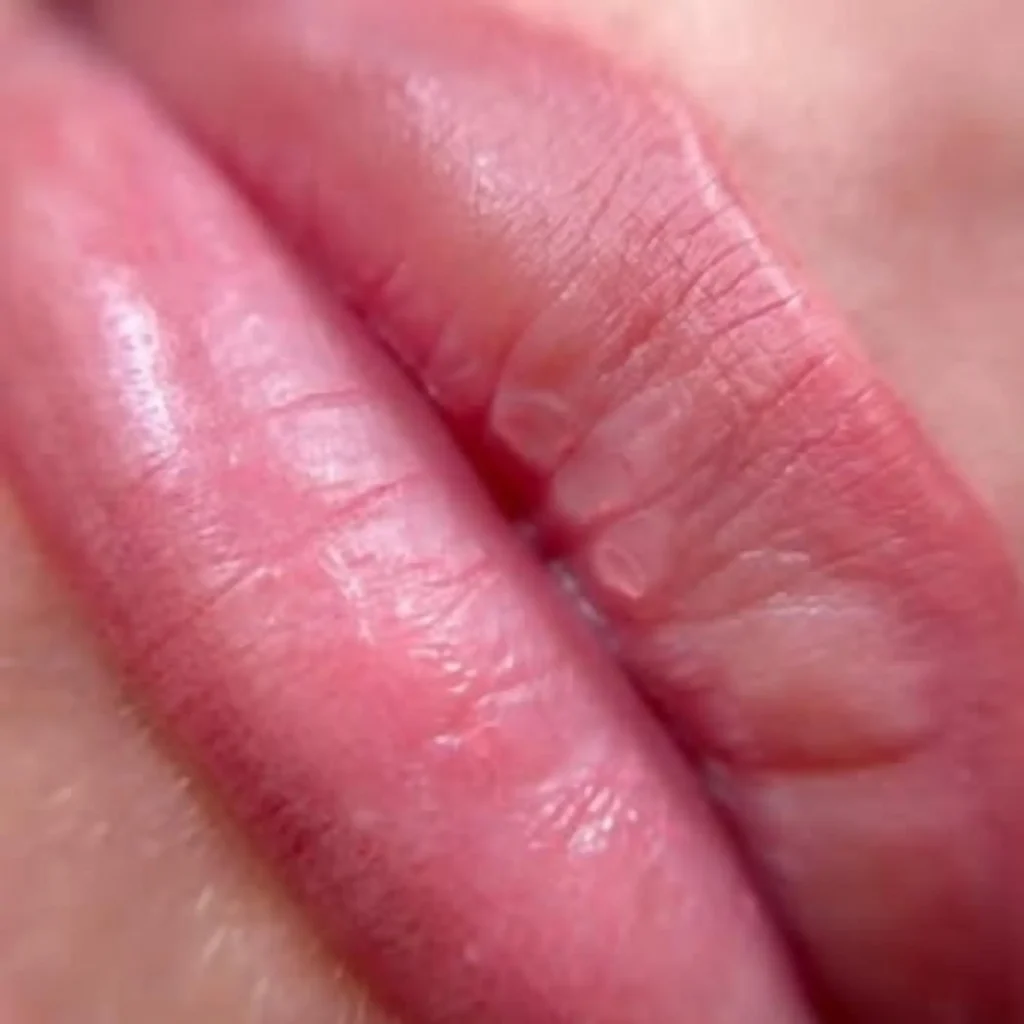
Olive skin usually has a mix of green, golden, and neutral undertones, which can completely change how your lip tattoo colour is perceived once its healed. Add in natural lip depth, uneven border definition, and melanin’s impact, and the same pigment can look beautiful on one person and washed out on another. That’s why – more often than not – the best lip colour for olive skin is never going to be some stock standard colour you can just buy off the shelf.
The biggest misconception is that pigment stability and humid climate issues are all about the weather. Sure, humidity does play a role – but that’s only one part of the equation. Poor prep, dry lips, sun exposure after the procedure, post-treatment sweating, picking at the tattoo during healing and just not taking proper care of yourself in the first place can all cause more fading than you might expect.
I’ve even had to correct lips where the warm pigment was chosen appropriately, but the aftercare just went out the window after day three. And thats usually when the trouble starts.
When you tap into a fresh new lip tattoo, its vibrancy always seems to pop a lot more than that final healed result, and that’s a pretty rude awakening for a lot of first-timers.
With olive complexions, I keep an eye on whether a colour holds its own after the initial peeling process. I find that having a balanced warm base usually gives me way more control over the final healed tone than a cool or neutral-cool formula can.
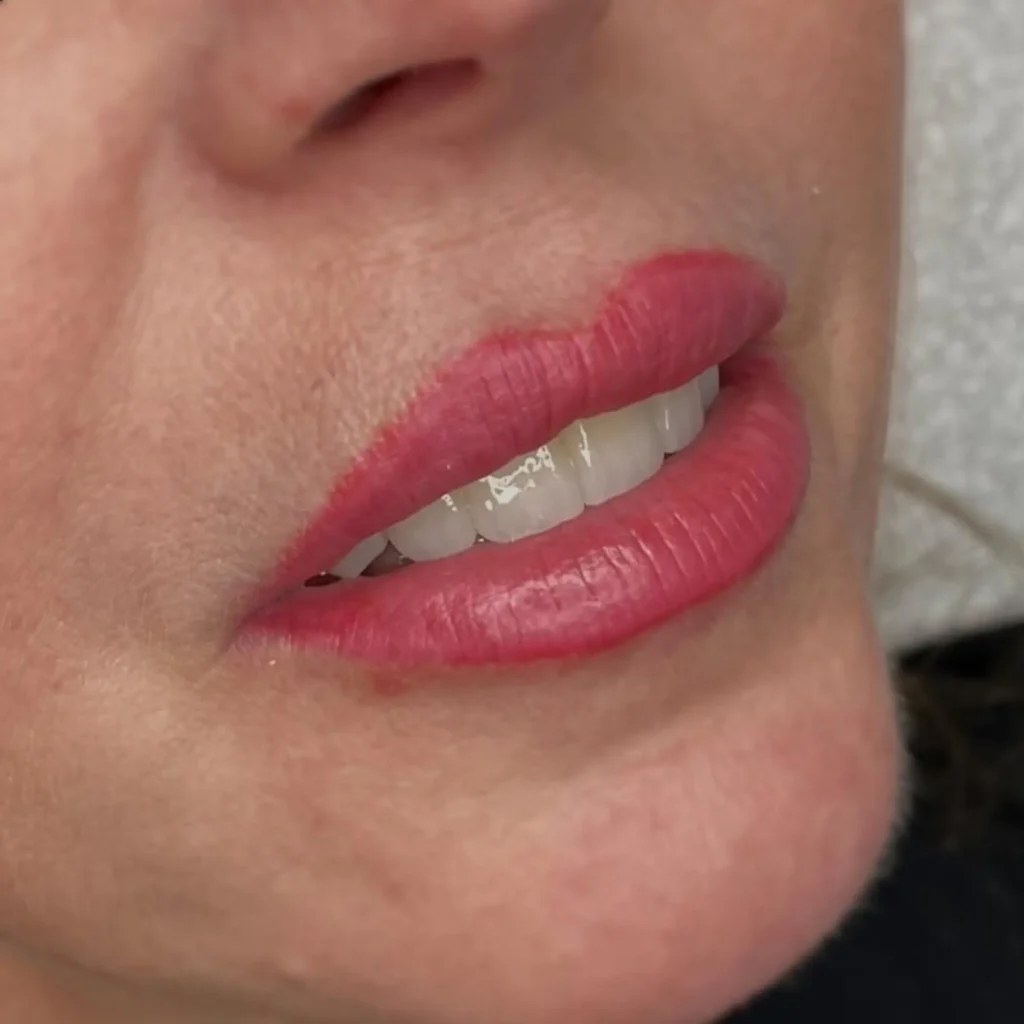
Warm pigments tend to look great on olive skin because they counteract that natural ashiness and help stop the whole ‘greyed-out’ look that can happen after a tattoo heals. Coral, terracotta, muted warm rose, and soft warm brown can all help create a healthier-looking lip edge, as long as they’re picked just right – not too orange. This is especially important when it comes to lip liner work, especially around the vermilion border where contrast is way stronger, and mistakes are super obvious.
Not every client will need a pure warm shade. If they’ve got natural lip colour that’s a bit on the cooler side, or darker skin patches or corners, I might start off by using a neutralising approach or adding a bit of warmth in through a custom mix over two sessions. One session can still sort out shape and softness, but when we’re talking about correcting tone and adding definition, the best results usually come from finding a good balance between colour and intensity.
Not every client will need a pure warm shade. If they’ve got natural lip colour that’s a bit on the cooler side, or darker skin patches or corners, I might start off by using a neutralising approach or adding a bit of warmth in through a custom mix over two sessions. One session can still sort out shape and softness, but when we’re talking about correcting tone and adding definition, the best results usually come from finding a good balance between colour and intensity.
Humidity doesn’t automatically ruin a lip liner tattoo, but it can definitely make healing a bit more of a hassle. More sweat, more skin movement, and the temptation to wipe or touch the area can all affect how well the colour sticks.
I’m not saying Melbourne’s tropical in winter or anything, but we do still get our sticky days and plenty of UV. For clients who love working out, heading to the beach, or just generally getting on with it outdoors, lip tattoo aftercare in humid weather is pretty key.
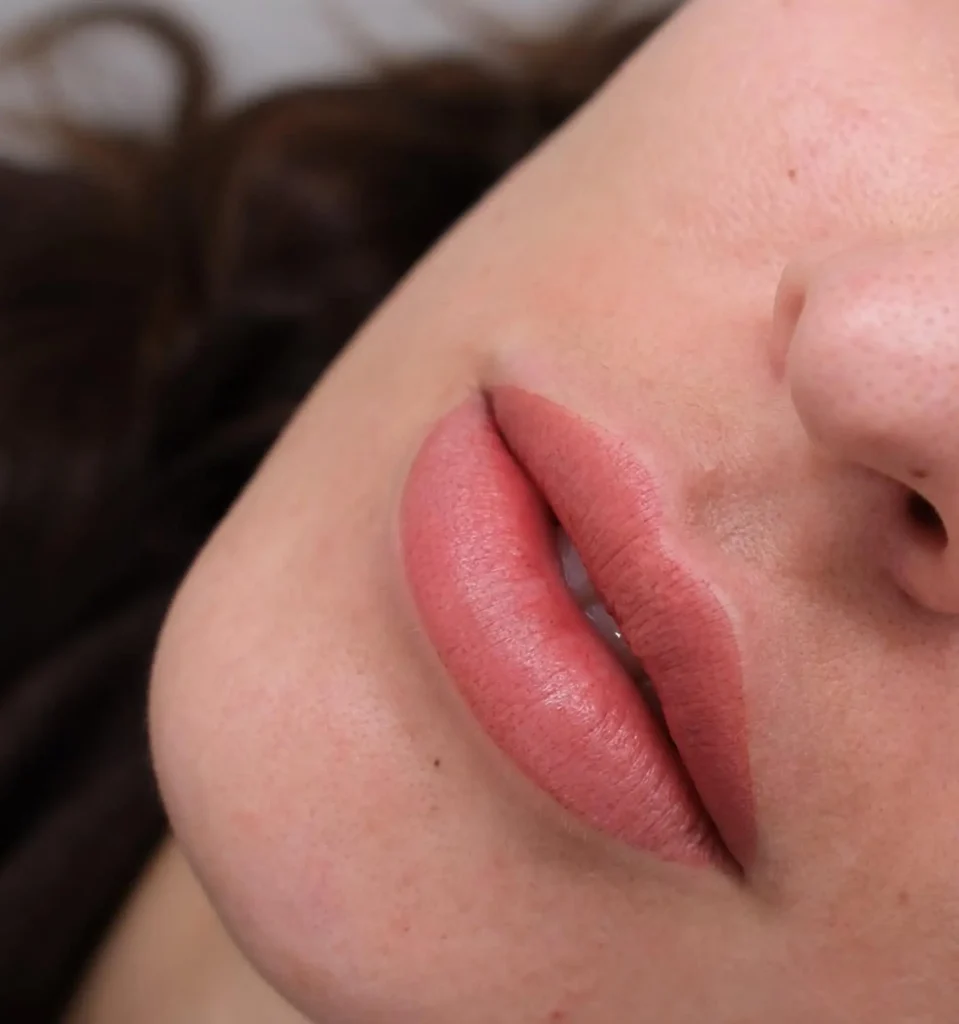
While lips don’t produce sebum like the rest of the face, the surrounding skin, sweat and repeated exposure to moisture can still affect the barrier during healing. And then there’s UV degradation – lip blush clients often don’t give it enough thought, but sun can break down the colour and make healed tones look flatter or all over the place over time.
A lip liner tattoo around the border might behave differently to a fuller lip blush tattoo, just because the skin texture and movement vary a bit across the lip. The vermilion border can hold definition beautifully, but it’s also the area where pigment migration and overworking are most likely if the artist doesn’t know what they’re doing. That’s one reason beginner work often doesn’t age as well as more experienced work.
Here’s a little guide that I use to explain this to clients:
| Factor | Likely Effect On Healing | Practical Note |
|---|---|---|
| Olive undertone | Can pull healed colour cooler | Warm-balanced mixes often heal truer |
| High humidity | More moisture and friction | Keep lips clean, dry, and untouched |
| Strong sun exposure | Faster fading | Use long-term SPF once healed |
| Dry or flaky lips | Patchy retention | Prep well before treatment |
| One session only | Softer, less even result | Expect improvement, not perfection |
When it comes to choosing the right lip colours, experience really matters. Rather than just asking what lipstick shade you like, we actually take a closer look at all the factors that come into play – things like your undertones, the natural shape and depth of your lips, any symmetry issues, and your overall health history. And let’s not forget how subtle or dramatic you want the liner to be once it’s healed.
At Cosmetic Tattoo Studio Melbourne Face Figurati, I take all of that into account. Before I even start tattooing, I take photos of different swatches, take a closer look at your skin and lip condition, and have a real chat with you about what’s possible. Trust me, that prep work is worth it – it saves so many headaches down the line.
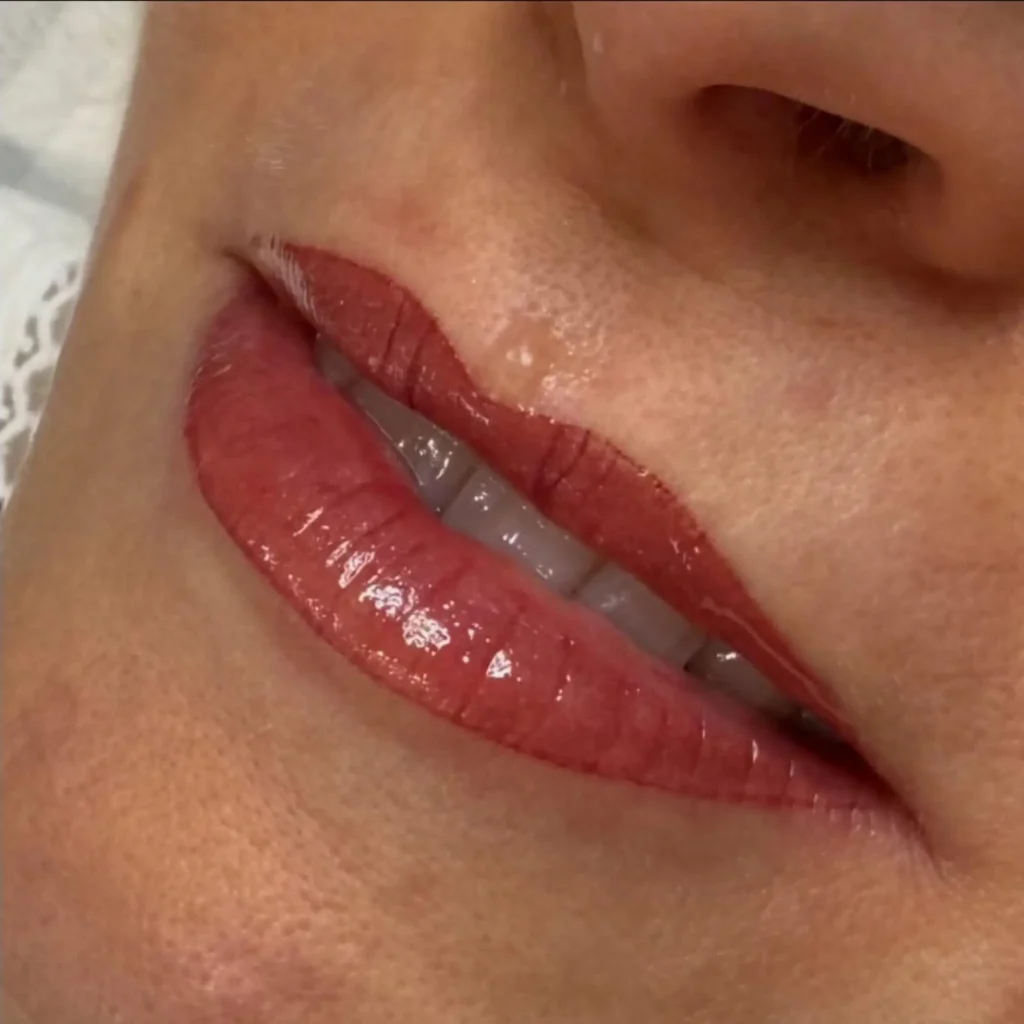
When it comes to olive-skinned clients, we tend to find that the warm-neutral shade family works much better than anything too extreme. Think terracotta, peach-rose, muted coral, or a really warm brown for deeper lips. If you want a liner that just kind of blends in with your lipstick rather than sitting there like a stark outline, we keep the edges nice and refined, just softened a bit.
Try to book your appointment when your lips are in good nick, not when they’re cracked or sunburnt.
If you’ve got any active cold sores, an infection, have had some issues with fillers recently, or are expecting unrealistic results, we’ll probably have to push your appointment back.
If you’ve got any sensitivities, we’ll do a patch test and develop a proper plan before we proceed.
This treatment is great for people who just want to tidy up their lip shape, define the edges a bit, or even just get a nice base for daily wear. But it’s probably not the best idea if you’re pregnant, managing some medical conditions without getting clearance first, or prone to getting cold sores all the time without any sort of prevention. And yeah, if you’re expecting a single session to somehow turn you into a bold lipstick kind of person, you might want to rethink that too.
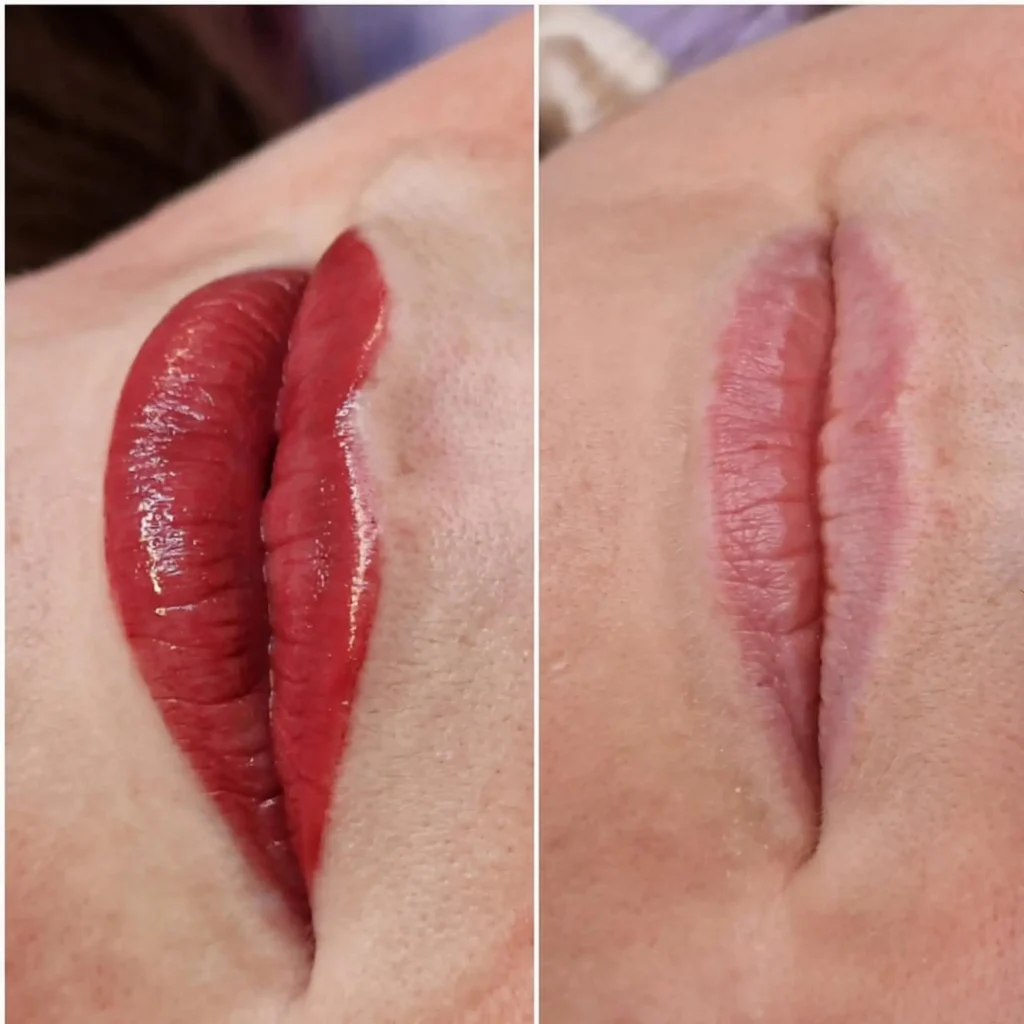
Good aftercare is actually a lot more important than people give it credit for when it comes to colour retention. The first couple of weeks aren’t exactly glamorous, but they’re definitely manageable if you know what to expect.
What usually catches people off guard is that around day 3 to 5, the lips can look way too dark, then way too light, and then uneven. And I know, it sounds scary – but honestly, it’s just normal. Don’t panic, don’t scrub your lips, and please, for the love of all things good and holy, don’t try to fit into a hot yoga class.
A lip liner or lip blush tattoo session usually takes around 2.5 to 3 hours – and that’s with the consult, the pre-drawwork, the numbing, and all the pigment work mixed in. Most people are good to go back to work the next day, provided they’re happy with a slightly stronger colour, but social events are probably best left for after the first flaking stage.
This table gives you a pretty realistic idea of what to expect:
| Stage | What You May See | What To Do |
|---|---|---|
| Day 0-2 | Brighter, tighter, mild swelling | Keep clean, apply advised balm sparingly |
| Day 3-5 | Flaking, dullness, patchy look | Do not pick, avoid sweat and steam |
| Day 6-14 | Colour looks lighter than expected | Let skin settle, no harsh products |
| Week 4-8 | True healed tone emerges | Assess for retouch if needed |
Most of my clients need 2 sessions to achieve the look they want, especially if they have olive skin, where getting the balance just right is a bit trickier. In Melbourne, a lip liner treatment can set you back anywhere from $450 to $900 AUD, depending on your artist’s experience, the level of complexity, if you need any corrections, and whether your treating artist will be doing a lip blush tattoo shading for you.
As for how long the lip blushing will last, it really depends on your lifestyle. You can normally expect it to last anywhere from 1.5 to 3 years, but that range can vary a lot depending on factors like sun exposure, how well you look after your skin, your immunity, and the colour you choose. One thing to consider is that warmer shades tend to look really good on olive skin, but even so, they will fade over time and may need a refresh when the edges start to lose definition.
Expectation: one visit and perfect lips for life. Reality: one visit gets you off to a great start, a second session refines the look, and then it’s just a matter of maintenance to keep it looking its best. The key is to aim for a stable and flattering colour, not just a line. I’ve seen my fair share of old lip work that I’ve had to fix, and I can say that going for a softer approach usually looks better with age.
My advice for getting the best out of lip blushing is usually pretty simple:
And once you’re all healed and looking great, don’t forget your sunscreen, because the sun still really hates lip blush.
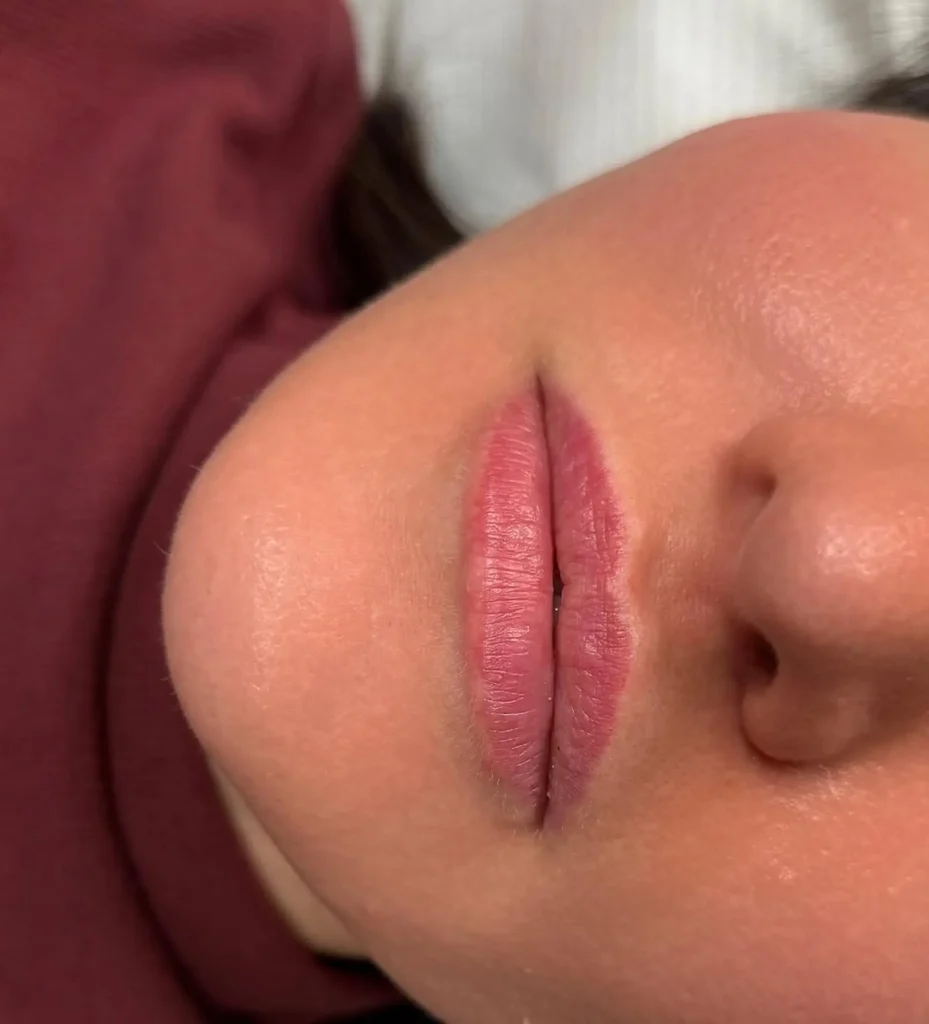
So, are warm pigments generally better for olive skin in humid climates? In a lot of cases, yes, because they can help counteract the cool undertones that can come up during the healing process and give you a more natural look. But the bottom line is that it’s all about the bigger picture: getting the right pigment for your skin, ensuring it’s applied skillfully, taking good care of your skin after the treatment, and having realistic expectations.
If you’re thinking about getting lip blushing in Melbourne or a defined liner with some subtle colour, I’d always recommend booking in for a consultation before choosing your shade from an online photo. At my studio, Face Figurati, I’d much rather talk you out of a pigment that won’t look good on you than have to try and fix it later. And if you’re still not sure if lip blushing is right for you? We can chat about it – I’m always happy to go over things with you.
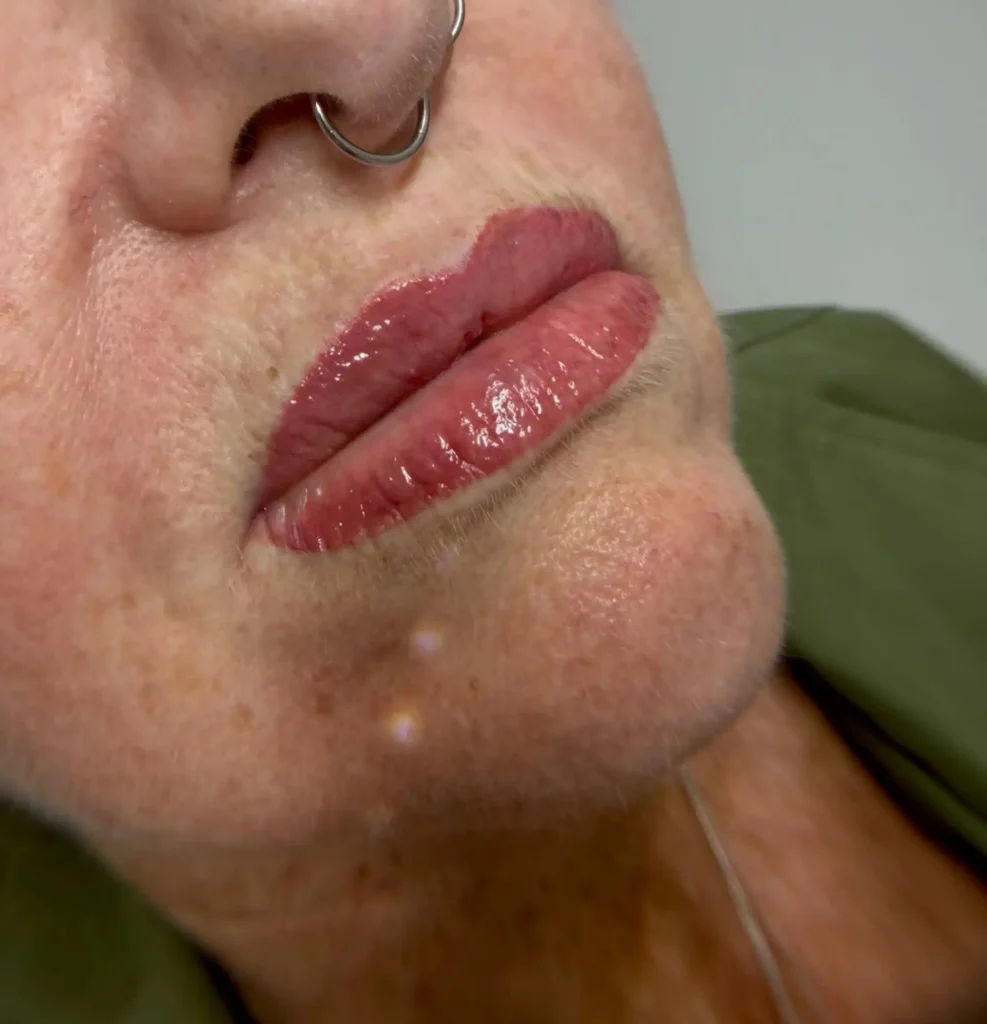
Warm-neutral shades normally look pretty good; that’s to say muted coral, peachy rose, terracotta or warm brown – though the actual best choice really depends on how deep your lips are and what kind of undertones you’ve got.
Honestly, when it comes to cosmetic tattooing, I’d generally say go for a liner that blends in with the sort of colours you’d normally wear on your lips. Avoid something way darker, ‘cos that can look pretty harsh as time goes by.
The colour you choose should suit your undertones, heal well, and fit with what you normally wear on a day-to-day basis. For someone with olive skin, warm-brownish shades tend to be the safest and most flattering option.
Yes, it can. UV light speeds up fading and can cause the colour to become uneven if you don’t keep an eye on it, so it’s a good idea to start using an SPF lip balm after your tattoo has healed.
It usually takes about 6-8 weeks after the first appointment, once the healed colour has settled down a bit. That way you can make sure the adjustments are exactly what you need before making any further tweaks.