Hormonal Chin Hair
Permanent and long-term treatment options, prevention tips and lifestyle support for unwanted chin hair.
By John Benson / March 31, 2022
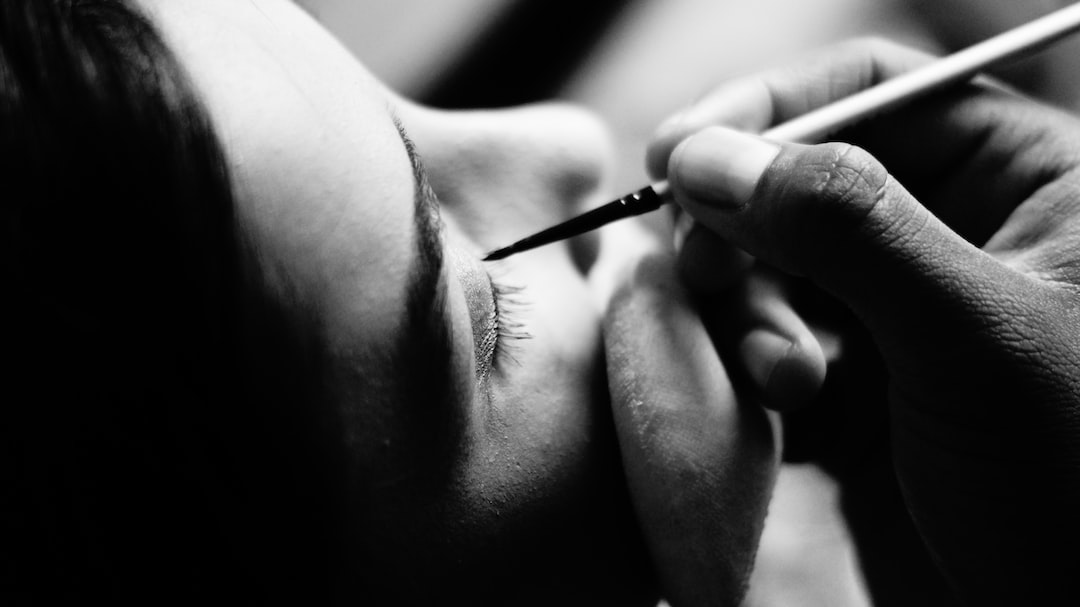
Permanent and long-term treatment options, prevention tips and lifestyle support for unwanted chin hair.
Author: John Benson
Published: March 31, 2022
Category: Beauty
Tagged: chin hair
Hormonal chin hair is a common issue faced by many women. It occurs due to the imbalance of hormones, specifically an increase in androgen levels. Androgens are the male hormones, which are also present in females but in lower amounts. When these hormone levels rise, it can result in the growth of unwanted hair on the chin area.
Laser hair removal is a popular method to permanently get rid of hormonal chin hair. It uses laser technology to target the hair follicles and damage them, preventing future hair growth. Multiple sessions are usually required for optimal results.
Electrolysis is another effective technique for permanent hair removal. It involves the insertion of a tiny probe into each hair follicle to deliver an electric current. This damages the follicle and inhibits hair growth. Like laser hair removal, multiple sessions may be needed.
Some prescription medications, such as spironolactone and finasteride, can help regulate hormone levels and reduce the growth of chin hair. It’s important to consult with a healthcare professional before starting any medication.
For women whose hormonal chin hair is caused by conditions like polycystic ovary syndrome (PCOS), hormonal birth control methods can be helpful. Birth control pills, patches, or hormone-releasing IUDs can help regulate hormone levels and minimize hair growth.
Though not scientifically proven, some natural remedies may help reduce hormonal chin hair. These include spearmint tea, turmeric paste, and applying a mixture of honey and lemon to the affected area. However, their effectiveness may vary from person to person.
Stress can contribute to hormonal imbalances. Practicing stress management techniques, such as meditation, regular exercise, and getting enough sleep, may help prevent excessive hair growth.
Eating a nutritious diet rich in vitamins and minerals can support hormonal balance. Include foods like fruits, vegetables, whole grains, and lean proteins in your daily meals.
Certain triggers, such as excessive caffeine intake, smoking, and alcohol consumption, can aggravate hormonal imbalances. Limiting or avoiding these triggers may help in controlling hormone-related issues.
Proper skincare can help manage hormonal chin hair. Cleansing, exfoliating, and moisturizing can help maintain healthy skin and minimize the appearance of unwanted hair.
Hormonal chin hair can be a distressing condition, but there are various treatment options available. Laser hair removal and electrolysis offer long-term solutions, while prescription medications and hormonal birth control methods can help manage hormone levels. Natural remedies and lifestyle changes may also contribute to reducing hair growth. Consulting with a healthcare professional is crucial to determine the most suitable treatment approach based on individual needs.
Tagged: Tags chin hair